
Smarter Comfort and Light for Your Garden Annex
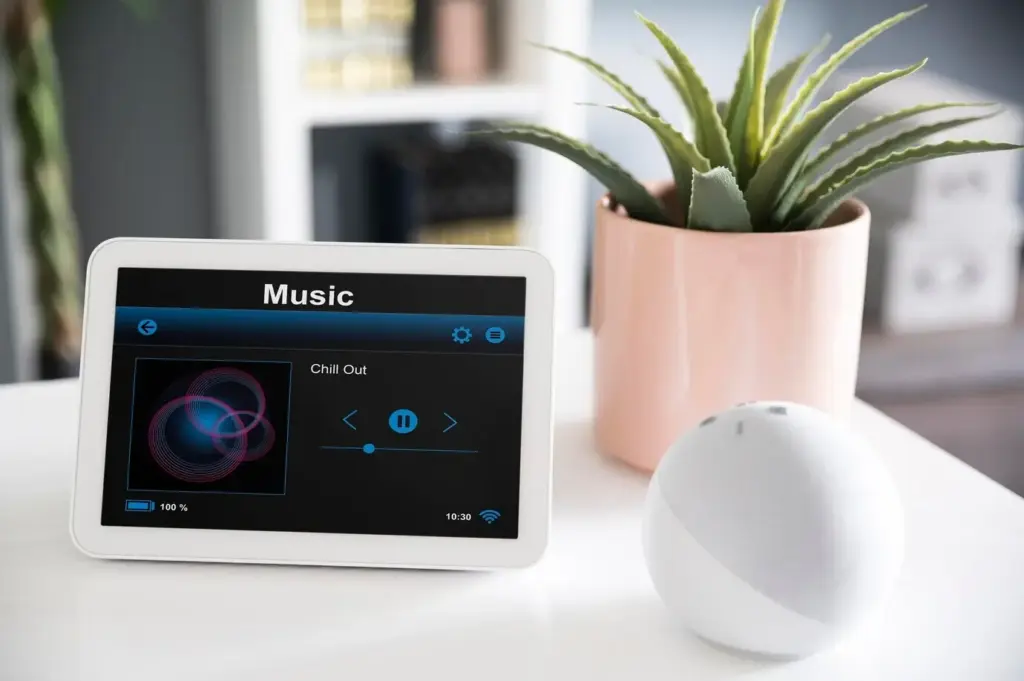
Today we explore integrating smart climate and lighting controls into custom garden annexes, showing how adaptive sensors, zoning, and tunable light transform compact retreats into efficient, cozy sanctuaries. You will learn practical planning moves, platform choices, and everyday habits that unlock comfort, resilience, and delightful ambience through all seasons. Expect real build anecdotes, actionable checklists, and friendly guidance that empowers you to design, install, and enjoy a responsive space that remembers your preferences, anticipates weather, and feels welcoming the moment you open the door.

Plan the Intelligent Envelope

Begin by shaping a shell that supports precision control rather than fighting it. Orientation, glazing ratio, insulation continuity, and air-sealing influence how hard your systems must work, while discreet cable routes and sensor positions ensure reliable data. Think like a conductor: daylight, heat gain, ventilation, and electric light should play together, not compete. A few planning hours now mean fewer retrofit headaches later and create a foundation ready for upgrades, new standards, and evolving lifestyles.

Climate Control That Learns the Space

Right-sized equipment paired with smart logic turns a compact annex into a steady, quiet haven. Oversized units short-cycle and waste energy; undersized ones struggle on frosty mornings. Add sensors for temperature, humidity, and CO2 so algorithms can ventilate, dehumidify, or preheat proactively. Weather forecasts and occupancy data inform gentle adjustments that keep materials dry, windows clear, and bodies comfortable, whether you’re painting at dawn or napping after dusk in midsummer.

Lighting that Moves with the Day

Layered, tunable lighting turns a small footprint into many moods. Natural light leads; electric fills gaps with softness and purpose. Use task beams for making, diffuse ambient light for calm, and warm accents for evenings. Circadian tuning nudges energy by day and relaxation by night. Sensors read daylight and presence, while scenes translate activities into repeatable magic. The result is clarity without glare, drama without harshness, and nights that feel effortlessly cozy.

Daylight-First Strategy, Minus the Glare
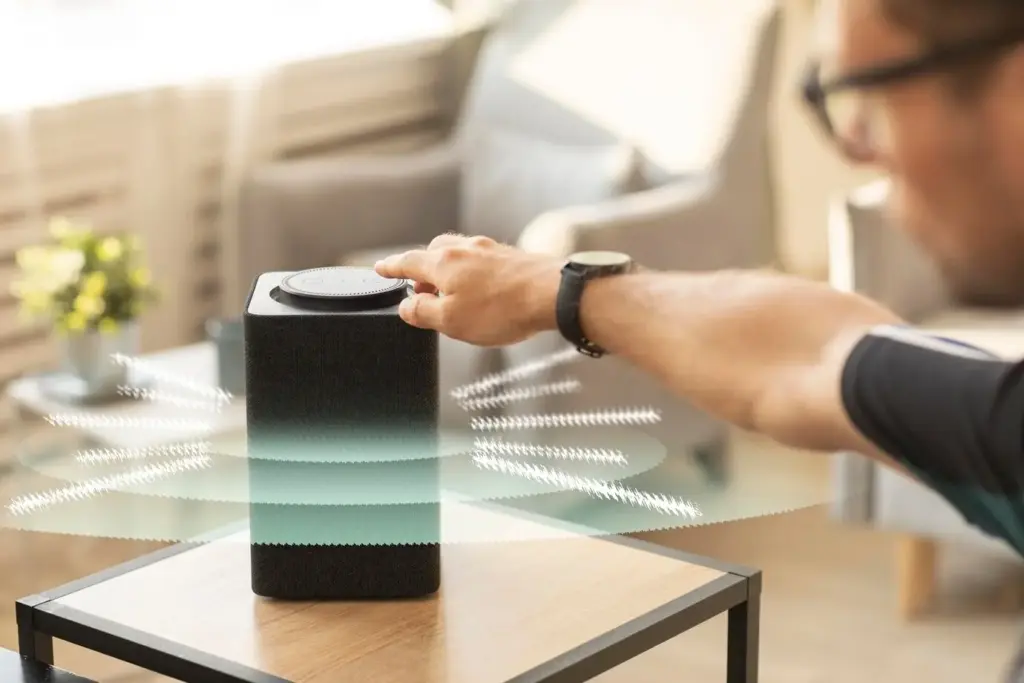
Position desks and easels to face soft north or indirect light, using exterior shades or fins where sun bites. Inside, microprismatic diffusers and low-UGR fixtures preserve comfort. Daylight sensors trim output automatically, cutting energy while maintaining consistent brightness. A small skylight with proper glazing can lift spirits in winter. Calibrate scenes on overcast and sunny days so transitions stay smooth, and teach guests the simple wall control for instant, intuitive adjustments.

Tunable White for Body and Mind

Cooler, brighter light supports focus in the morning; warmer, dimmer tones signal wind-down later. Tunable white fixtures or lamps paired with circadian schedules deliver these subtle cues without fuss. Keep transitions slow to avoid jolts, and offer a manual override for creative nights. In tiny spaces, color quality matters: prioritize high CRI and R9 for materials, skin tones, and art. The annex will feel alive, responsive, and kind to your rhythms.

Pick a Reliable Backbone

Decide whether a dedicated lighting controller, a whole-home hub, or a compact single-board computer runs the show. Evaluate uptime, local scenes, backup options, and community support. Thread can excel in detached structures, while Ethernet ensures rock-solid bridges. Keep the annex self-sufficient where possible so a house router reboot does not dim your day. This backbone becomes the quiet hero of responsive comfort, orchestrating devices without drama.

Bridge Old with New, Gracefully

Perhaps you already own a beloved dimmer brand or an older thermostat. Bridges can translate protocols and preserve investments while adding modern automations. Test for scene behavior, group responses, and firmware update quirks before closing walls. Name devices consistently so voice and dashboards stay human-friendly. When feasible, retire flaky gear rather than stacking adapters. A thoughtful blend prevents frustration, keeps costs sane, and supports elegant controls that feel purpose-built rather than cobbled together.

Privacy, Security, and Data Ownership

Your annex may capture schedules, presence, and air quality trends. Store only what is useful, encrypt where possible, and avoid broadcasting sensitive details through unnecessary cloud hops. Use strong, unique passwords, disable default ports, and set automatic updates on gateways. If remote access is essential, prefer vetted services or a well-configured VPN. Transparent choices help guests feel comfortable and ensure your retreat remains a sanctuary for both body and information.

Backyard Stories: Lessons from Real Builds

Practical experience turns specs into wisdom. These snapshots from compact studios and guest suites highlight choices that paid off—and a few that did not. From cedar-clad pods to modern sheds, patterns emerge: quiet equipment, gentle schedules, and well-placed sensors elevate daily life. You will see how small tweaks like exterior shading, night setbacks, or a CO2-triggered fan translate into comfort you can feel. Use these takeaways to shortcut your own experiments.

Operate, Secure, and Evolve with Confidence

Commission carefully, then treat your annex like a living system. Verify sensor placement, calibrate thermostats, test every scene at different times, and simulate outages. Keep firmware current, label cables, and schedule seasonal reviews. As your needs change, add a workspace scene, a meditation preset, or garden path lights that follow sunset. Invite feedback from family or guests and refine quietly. Good control disappears into daily life, delivering comfort you simply trust.

Commissioning Checklist that Matters

Before you celebrate, walk through a structured test: verify device names, confirm daylight response, check humidity recovery after showers, and measure temperature stability across corners. Try manual overrides, disconnect the internet, and ensure local control holds. Record baseline energy use for future comparison. Photograph panels and label drivers. These small rituals prevent weeks of mystery problems and give you confidence that every automation supports, rather than surprises, the way you actually live.

Secure by Default, Simple by Design

Change default passwords, update gateways, and limit admin accounts. Prefer local dashboards with strong authentication, and use guest access that only exposes scenes. Keep a short inventory of devices and note their update policies. If a platform is abandoned, plan a migration window before security fades. A secure annex remains calm under pressure, protecting your routines, your data, and your peace of mind without burdening everyday use with needless prompts or confusing alerts.
Tumunixelizaratopiru
Privacy Overview

This website uses cookies so that we can provide you with the best user experience possible. Cookie information is stored in your browser and performs functions such as recognising you when you return to our website and helping our team to understand which sections of the website you find most interesting and useful.